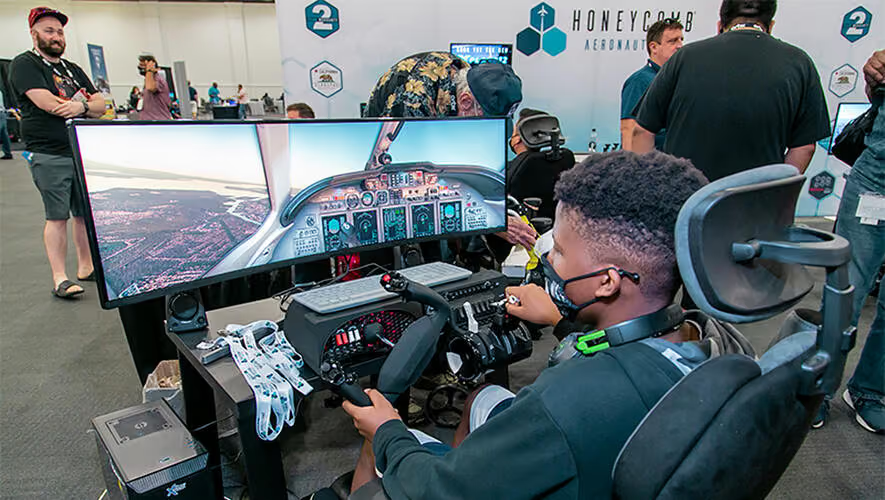
Virtual reality (VR) and cost considerations are driving the development of a new generation of flight training devices. The aviation industry is witnessing a blending of technology lines between hobbyists and licensed pilots, with major OEMs like Boeing licensing cockpit components to enthusiast-focused companies. FAA-certified flight training device manufacturers are also adopting architectures reminiscent of gaming hardware.
These trends are fueled by the high expenses associated with full-motion simulator training, leading to a scarcity of simulator time slots and increasing demand for more affordable alternatives. Augmented/virtual reality (AR/VR) and artificial intelligence (AI) advancements are further accelerating this shift.
FlightSafety's acquisition of Frasca International, known for providing inexpensive training devices, particularly caught attention when it was selected to supply flight training devices for the U.S. Navy's TH-73A rotorcraft program, indicating a move towards more efficient and cost-effective training solutions.
The FAA's list of approved aviation training devices (ATDs) is growing rapidly, and with the rising demand for pilots and training, this trend is expected to continue. Companies like Gleim, RealSimGear, Redbird Flight Simulations, and Precision Flight Controls are developing ATDs for various primary training aircraft at prices that are more practical for home use.
Broader adaptation of ATDs allows for a more comprehensive understanding of aircraft procedures and maneuvers, leading to better knowledge retention and more effective in-aircraft training time. The U.S. Navy's adoption of VR-based training devices for its Advanced Helicopter Training System (AHTS) and other studies indicate the clear benefits of integrating VR technology into flight training.
EASA (European Union Aviation Safety Agency) is also moving to harmonize standards with the FAA, and VR-based training devices are gaining approvals, enabling more training capabilities, especially for electrical vertical takeoff and landing (eVTOL) aircraft.
Overall, the aviation industry is witnessing a shift towards more affordable and efficient flight training devices, with VR and cost considerations driving this new generation of training technology.